Key Takeaways
-
The primary issue for enemies is the existence of Iran as an independent and influential regional power. Enemies of Islamic Iran consistently harbor dreams of Iran’s fragmentation.
-
The perpetrators and designers of this extensive terrorist operation—unprecedented in its kind since the inception of the Revolution—realized the hollowness of opposition claims, understanding that the corrupt and traitorous Pahlavi dynasty holds no standing among the Iranian people.
-
They are aware of the key role of leadership in the cohesion of the Iranian nation; these threats are merely for false displays of power and instilling fear. Any assault upon this status will entail a widespread and destructive reaction and endanger American interests worldwide.
-
Protest means conscious demanding, stating grievances, and requesting reform; in any society possessing social vitality and dynamism, it is considered an accepted, legal, and legitimate matter.
-
Adolescents and youth who hold lofty dreams and overflow with energy and enthusiasm must understand the sinister schemes ill-wishers harbor for their future, this land, and the precious beliefs of its people.
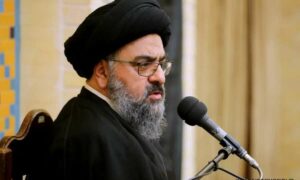
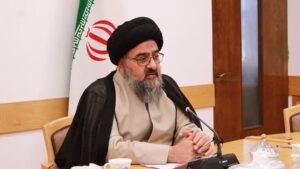
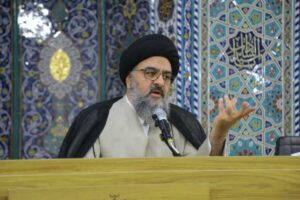
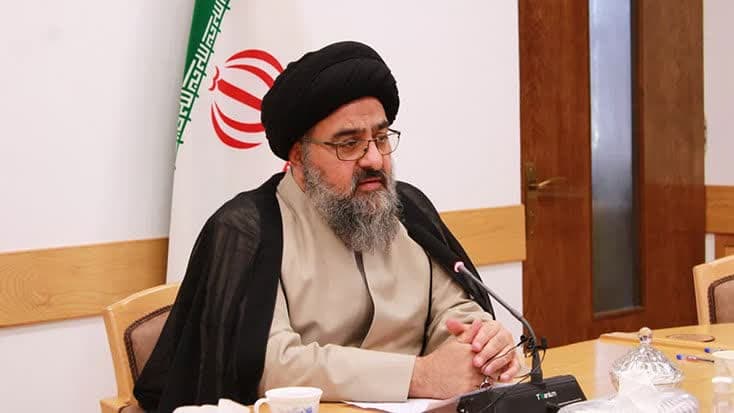
Speaking in his Advanced Jurisprudence (Dars-e Kharij-e Fiqh) class, Ayatullah Sayyid Mujtaba Nur Mufidi described the overt intervention of the United States and the Zionist regime in recent riots as the result of a “profound computational and strategic error” on their part, emphasizing: Iran’s enemies, considering certain social fractures, economic difficulties, and dissatisfaction over inflation, assumed the time had arrived to strike Iran; however, by divine grace, the vigilance of the people, and the wisdom of the Supreme Leader, all their calculations turned against themselves.
Pointing out that the ultimate goal of the United States and the Zionist regime is not merely the system of the Islamic Republic, the Professor of Advanced Classes at the Islamic Seminary of Qom noted: The primary issue for enemies is the existence of Iran as an independent and influential power in the region. Enemies of Islamic Iran consistently harbor dreams of Iran’s fragmentation—a matter that the brave Iranian nation has well understood.
The President of the Research Institute for Contemporary Jurisprudence described the swift separation of protesters’ ranks from vandals and rioters, alongside the massive participation of the people in the January 12 [22 Dey] march following these atrocities, as “tantamount to a miracle,” noting: Dissatisfactions, social fractures, and gaps upon which the enemy had banked were rapidly transformed into sacred anger against the primary instigators of these riots, assassinations, and field rioters. This matter is a sign of divine grace and the maturity of the Iranian nation. He added: The pivotal role and wisdom of the Supreme Leader in managing the scene and delivering a decisive response to the enemy was such that it converted their hope into despair.
He further added: He described the widespread presence of the people in the January 12 nationwide march as a firm response to enemies and a source of encouragement for friends of Iran domestically and abroad, emphasizing: Perhaps we who are in the midst of events do not fully comprehend the depth of these scenes’ impact, but these gatherings demonstrated national authority and communicated a clear message globally.
Ayatullah Nur Mufidi also referenced the role of the people in widespread cooperation to identify infiltration and espionage networks, stating: The Iranian people—man and woman, elderly and young—practically transformed into vigilant eyes of a comprehensive intelligence organization, neutralizing many acts of sabotage prior to execution. He described this level of public responsibility as rare and inspiring.
The President of the Research Institute for Contemporary Jurisprudence further noted: Recent assassinations and riots, coupled with explicit confessions by the United States and Israel of involvement in these disturbances and providing arms, media, and financial support to rioters, laid bare their evil nature to the Iranian people and global public opinion more than ever.
Referring to admissions by media and certain international experts regarding the widespread support of the Iranian people for the system and the integrity of beloved Iran, the Professor of Advanced Classes at the Islamic Seminary of Qom stated: The perpetrators and designers of this extensive terrorist operation—unprecedented in its kind since the inception of the Revolution—realized the hollowness of opposition claims, understanding that the corrupt and traitorous Pahlavi dynasty holds no standing among the Iranian people.
He described verbal threats against the Supreme Leader as a sign of enemy weakness, clarifying: They are aware of the key role of leadership in the cohesion of the Iranian nation, and these threats are merely for false displays of power and instilling fear; whereas any assault upon this position will entail a widespread and destructive reaction and endanger American interests worldwide.
Explaining the future of this confrontation, citing definitive divine promises in the Holy Quran, Ayatullah Nur Mufidi emphasized: The conclusion of this path will be in favor of Iran, the Iranian people, and Islam. Referencing verses concerning divine assistance promises and the fate of the Children of Israel, he noted: God’s promise is true, even if its fulfillment is accompanied by hardships and adversity.
The Professor of Advanced Classes at the Islamic Seminary of Qom also emphasized the necessity of a precise distinction between “protest” and “rioting,” stating: Protest means conscious demanding, stating grievances, and requesting reform; in any society possessing social vitality and dynamism, it is considered an accepted, legal, and legitimate matter.
He described former US President Donald Trump’s rapid support for rioters in destroying public property and setting fire to mosques and Husayniyyahs as a sign of enemy defeat on the battlefield, noting: No one denies the people’s right to protest, and ignoring this right not only solves no problem, but increases public dissatisfaction and discouragement regarding national issues, leading to gaps and distance from the Islamic system. He emphasized: What requires explanation and enlightenment today more than ever is detailing the actual objectives of the designers of these riots, destructions, and intermediaries—namely monarchist groups, separatists, the MKO (Mujahedin-e Khalq / Hypocrites), and the widespread corruption of the Pahlavi dynasty. A clear, undeniable boundary exists between protest and rioting—a boundary whose disregard benefits neither the people nor the country.
Ayatullah Nur Mufidi considered preserving and reinforcing national cohesion and supporting the Supreme Leader of the Islamic Revolution following passage through this period as a strategic necessity, stating: Today, officials must act with full force to resolve people’s livelihood problems, while simultaneously conducting a serious review to identify and destroy infiltration networks and enemy-affiliated mercenaries, eliminating grounds for repeating such betrayals.
The President of the Research Institute for Contemporary Jurisprudence, stating that the people’s ranks have always been separated from these individuals, continued: Our people possess insight (basirah), an example of which is seen in their enthusiastic participation in the recent march and neutralizing enemy conspiracies over past years. They know well what sinister goals the enemy pursues; hence they separate themselves from these rioters, and if they hold protests, express them peacefully.
Concluding, Ayatullah Nur Mufidi referenced enemy threats against the Supreme Leader, emphasizing the matchless role of leadership in guiding the country through crises, adding: The experience of this period demonstrated once more that the deep bond of the Iranian nation with leadership is the paramount strategic asset of the Islamic system. Conscious compliance of the people with the Supreme Leader’s guidelines stems not from emotion, but from historical trust and collective rationality of the Iranian nation—a bond placing the correct path before society at sensitive junctures and neutralizing enemy conspiracies one after another.
Adolescents and youth who hold lofty dreams and overflow with energy and enthusiasm must understand the sinister schemes ill-wishers harbor for their future, this land, and the precious beliefs of its people.
He added: Enemies know well that as long as this faithful relationship between the Ummah and leadership remains firm, no military, political, or economic pressure will be capable of deflecting the Iranian nation from its path. This intelligent compliance is the secret of the Islamic Revolution’s endurance and the primary factor in national authority domestically and internationally.