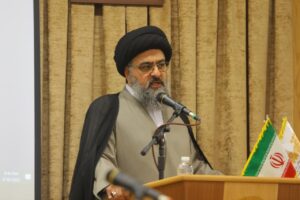
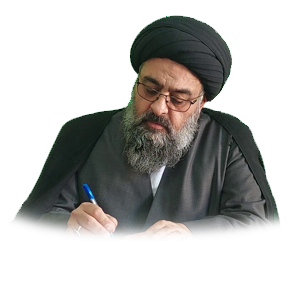
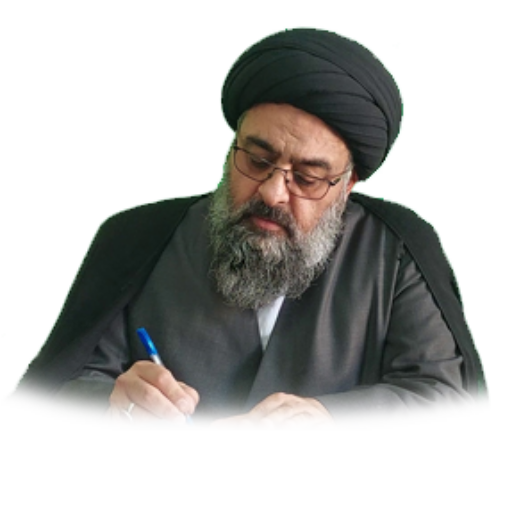
habestan News Agency: The head of the Mir Damad Cultural Institute of Gorgan stated: “The performance of government officials and directors plays a highly important role in attracting people, especially youth, to mosques; therefore, institutions associated with mosques should concentrate their major investments in this field.”
Ayatullah Sayyid Mujtaba Nur Mufidi, in an interview with the reporter of the Mosque and Mosque Centers Department of the Shabestan News Agency, stating that the low attendance of youth in mosques is so obvious that any individual can discern it through a brief field study, said: “Considering the importance that mosques have had since the inception of Islam in various events of Islamic societies—including during the Iranian Revolution—they should be the most important center of religious, cultural, political, and social activities today; yet this is not the case, and youth welcome these houses of God less than in the past.”
He described the mosque as the center of love for God, the Messenger, and the Pure Imams (peace be upon them), adding: “God, in a Sacred Tradition (Hadith Qudsi), has introduced mosques as His houses; therefore, if the love and affection of the owner of this house is understood, the people will be attracted more. Consequently, preachers (muballighan) and mosque activists should, above all, explain the love and affection of the Lord to the people.”
This lecturer of advanced (Kharij) jurisprudence and principles at the Islamic Seminary of Qom, stating that to attract more people to mosques we must explain that mosques are the houses of God (biut Allah), noted: “Mosques must establish the capacity to attract various groups of people with love and kindness, so that individuals feel spiritual and mental security and tranquility within mosques.”
He added: “The physical location, beauty, and simplicity of mosques, the performance of mosque activists—namely the congregational prayer imams (aimmah al-jama’at), the board of trustees, and the worshippers—as well as the performance of government officials and directors, play a highly important role in attracting people, especially youth, to mosques; therefore, the relevant institutions must make their greatest investments in this field.”
Nur Mufidi considered the most important factor in the continuous attendance of youth in mosques to be the correct and affectionate conduct and speech of mosque activists and the country’s directors and officials. He said: “For example, if the director of a government department who also attends the mosque is honest and chaste, and distances himself from hypocrisy and moral, political, and economic corruption, the people will then be attracted to mosques.”
Stating that people are attracted to mosques upon observing the good manners, kindness, truthfulness, and inner purity of the congregational prayer imams, he remarked: “Sometimes youth say to us, ‘Some of the mosque worshippers are involved in usury, lies, embezzlement, and moral and economic corruption, and for this reason, we have no desire to attend mosques.’ Officials must investigate whether such a matter is true.”
The head of the Mir Damad Cultural Institute of Gorgan continued by stating that the people recognize the current system governing Iran in the name of religion; therefore, the more successful and efficient this system is in serving the people, the greater the people’s attendance in religious centers and programs will be. Conversely, its inefficiency is attributed to religion, and this issue has a direct impact on the level of public reception of the activities of mosques and other religious and cultural centers in the country.
He noted: “Our country today, more than speeches, conferences, and exhibitions, requires action combined with affection, compassion, and broad-mindedness (sa’at al-sadr), while dozens of conferences and congresses without beneficial and effective results are held annually in the country.”
Ayatullah Nur Mufidi, stating that youth possess excitements in accordance with their age, and that Hazrat Amir (the Commander of the Faithful, peace be upon him) in a tradition also considers the ignorance and excitement of the young generation as natural and acceptable, said: “Mosque officials must understand the characteristics of the young generation, although field observations and various investigations indicate the inattention of some mosque activists to this reality.”
He continued by stating that alongside all the shortcomings of the country’s officials, directors, and mosque activists, one cannot ignore the effect of the enemies’ conspiracies to distance the people, especially youth, from mosques. He remarked: “The cultural and mosque officials of the country must strive to educate the young generation with precise planning, and make mosques a refuge and sanctuary for everyone, especially the young generation, so that upon hearing the call to prayer (adhan) or upon the occurrence of various problems in personal and family life, the people quickly hasten toward mosques.”
The lecturer of advanced (Kharij) jurisprudence and principles at the Islamic Seminary of Qom considered upgrading the knowledge of the congregational prayer imams and teaching management and psychological skills to mosque activists as highly important in attracting youth. He said: “Sometimes, some seek youth-orientation in the management of mosques, whereas more important than this measure is increasing the broad-mindedness and self-restraint of mosque activists, especially the congregational prayer imams and servants, and this is achievable through training.”
He concluded by stating: “The affectionate conduct of mosque activists is the most important factor in attracting people to mosques, and in this path, we must make the kind and affectionate behavior of the Noble Prophet of Islam the model of our conduct.”