

A Look at the Spiritual Blessings of the Supplication “O You from Whom I Hope for All Good” Which We Recite in the Blessed Month of Rajab
The Path of Eager Hearts Toward the Gates of Divine Mercy
The month of Rajab is a month in which human beings find the opportunity to rest in the embrace of endless divine mercy. This month is among the highly virtuous months in the Islamic calendar, in which divine blessings and favors—especially for servants seeking proximity and connection to God—have been emphasized by the Infallibles (peace be upon them). In this month, reciting the supplication “Ya Man Arjuhu Li-Kulli Khayr” (“O You from Whom I hope for all good”) is recommended in order to guide eager and sin-tainted hearts toward the gates of divine mercy. This supplication specifically encompasses lofty and profound requests from Almighty God for the good of this world and the Hereafter. Alongside this supplication, a precious Hadith from the Prophet of Islam (PBUH) is recorded in which three spiritual traits are introduced as effective factors in attaining the goods of this world and the Hereafter.
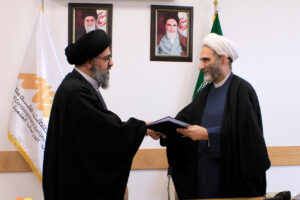
In an interview with Ayatullah Sayyid Mujtaba Nur Mufidi, Professor of Advanced Classes (Dars-e Kharij) at the Islamic Seminary of Qom, we took a closer look at these three characteristics and examined their connection with the supplication “Ya Man Arjuhu Li-Kulli Khayr”. Join us to hear these precious teachings from this honorable professor and take steps on the path of acquiring true good.
Trust in Divine Infinite Wisdom
Ayatullah Nur Mufidi, at the beginning of his remarks, pointing to a precious Hadith from the Great Prophet (PBUH), states: The Messenger of Allah (PBUH), in a narration quoted in Bihar al-Anwar, states: “ثَلاثٌ مَنْ كُنَّ فِيهِ جَمَعَ اللَّهُ لَهُ خَيْرَ الدُّنْيَا وَ الْآخِرَةِ: الرِّضا بِالقَضَاءِ وَ الصَّبْرُ عِنْدَ الْبَلَاءِ وَ الدُّعَاءُ عِنْدَ الشِّدَّةِ وَ الرَّخَاءِ”—“Three traits: whoever possesses them, Allah gathers for him the good of this world and the Hereafter: contentment with divine decree (al-ridha bi al-qadha’), patience in times of tribulation (al-sabru ‘ind al-bala’), and supplication in adversity and prosperity (al-du’a’ ‘ind al-shiddati wa al-rakha’).” In this Hadith, the Prophet (PBUH) introduces three traits as keys to attaining the good of this world and the Hereafter: first, contentment with divine decree; second, patience facing difficulties; and third, supplication in all conditions of life. These three characteristics not only play a fundamental role in man’s spiritual perfection, but also exert profound impacts on the quality of individual and social life. Especially in the month of Rajab, when the opportunity for proximity to God is available, these characteristics must flow in the depths of human existence.
Explaining the contents of this Hadith, he further clarifies: Contentment with decree (al-ridha bi al-qadha’) means heart-felt assurance in God’s wisdom regarding destiny. In the supplication of the month of Rajab, in the phrase “Ya Man Arjuhu Li-Kulli Khayr” (“O You from Whom I hope for all good”), man asks for all the goods of this world and the Hereafter to be granted to him; however, this request must be accompanied by faith and trust in divine management. When a person becomes content with divine decrees, in reality his heart is freed from any objection and dissatisfaction regarding life conditions, gaining assurance in divine wisdom and will under any circumstance. This concept is also clearly stated in the Holy Quran: “Allah does not charge a soul except [with that within] its capacity” [Surah al-Baqarah, 2:286]. In fact, when a person is content with decree, it means he accepts that no burden is placed upon his shoulders except what he has the capacity to bear. Contentment with decree does not mean motioning submission, but accepting realities. Man must seek trust (tawakkul) in God in the heart of problems, while simultaneously striving and exercising prudence to alter conditions in the best manner. This contentment brings within itself peace and assurance that strengthens man from within, helping human growth and elevation facing hardships instead of complaining and dissatisfaction.
Patience: Spiritual Jihad Facing Life’s Problems
The prominent professor of Advanced Classes (Dars-e Kharij) at the Islamic Seminary of Qom points to the second pillar for attaining the good of this world and the Hereafter, stating: Patience (sabru) is one of the prominent features highlighted in this Hadith. In every person’s life, tribulations and tests occur in various forms. These tribulations are presented not as retribution, but as a means for spiritual growth and perfection. As stated in verse 155 of Surah al-Baqarah: “And We will surely test you with something of fear and hunger and a loss of wealth and lives and fruits, but give good tidings to the patient” [Surah al-Baqarah, 2:155]. In this verse, God informs human beings that tribulation and testing are part of life, while simultaneously giving glad tidings to those who practice patience facing these tribulations. Patience here does not merely mean standing against problems, but fighting the self (jihad al-nafs), preserving faith, and maintaining hope in the face of difficulties. Patience in times of tribulation gives man the capability not to lose resolve under any condition and even learn spiritual lessons from hardships.
Ayatullah Nur Mufidi notes: Tribulation (bala’) in religious teachings is regarded as a natural process on the path of human growth and elevation. The Commander of the Faithful [Imam ‘Ali] (peace be upon him), in Sermon 217 of Nahj al-Balaghah censuring the world, states: “An abode surrounded by tribulation.” In other words, this worldly life is full of tribulations and tests, but it is these very tribulations that draw human beings toward perfection.
Supplication: A Way to Attract Divine Mercy in All Conditions
This seminary and university professor reminds us: Supplication (du’a’) in Islam is not merely an instrument for individual requests, but an instrument for continuous connection with God in every state and condition. Supplication is a savior in times of hardship and suffering, and brings forth gratitude for God’s blessings in times of ease. Imam al-Sadiq (peace be upon him), in a narration quoted in volume 2 of Al-Kafi, states: “Supplication is the weapon of the believer” (Al-du’a’ silah al-mu’min). Supplication is a tool that arms man against problems, while simultaneously strengthening connection with God during tranquility. In the Hadith of the Prophet of Islam (PBUH), it is recorded: “Supplication in adversity and prosperity” (Al-du’a’ ‘ind al-shiddati wa al-rakha’), meaning supplication must flow both in times when we face hardships and in moments of ease. In reality, supplication in hardships leads man toward God, and in ease keeps the remembrance of God alive in the heart. The supplication “Ya Man Arjuhu Li-Kulli Khayr” is a type of continuous petition from God in which man asks the Lord in all states—whether in hardship or ease—to bestow upon him His grace and mercy. This supplication distances man from heedlessness and reminds him of God at every moment.
Ayatullah Nur Mufidi emphasizes in conclusion: The good of this world and the Hereafter together is realized through the three spiritual traits of contentment (ridha), patience (sabru), and supplication (du’a’). These three traits are not only effective in individual human elevation, but also play a fundamental role in building a righteous society. In the month of Rajab, when the doors of divine mercy are open to servants, the supplication “Ya Man Arjuhu Li-Kulli Khayr” is a golden opportunity to petition endless goods from God. In this month, by following the teachings of the Prophet of Islam (PBUH) regarding contentment, patience, and supplication, one can attain spiritual perfection and gather the goods of this world and the Hereafter.